
Pakistan is one of the most culturally rich travel destinations in South Asia, offering tourists a beautiful mix of history, hospitality, food, traditions, music, festivals, and regional diversity. From the colourful streets of Lahore to the peaceful valleys of Hunza, every part of Pakistan has its own identity and cultural charm. For travellers who want more than sightseeing, the culture of Pakistan offers meaningful experiences, warm connections, and unforgettable memories.
Pakistani culture is shaped by centuries of history, including ancient civilizations, Islamic heritage, Mughal influence, Sufi traditions, and regional customs. Tourists visiting Pakistan can experience traditional bazaars, historic mosques, vibrant weddings, delicious street food, folk music, handmade crafts, and some of the warmest hospitality in the world.
Why Pakistani Culture Attracts Tourists
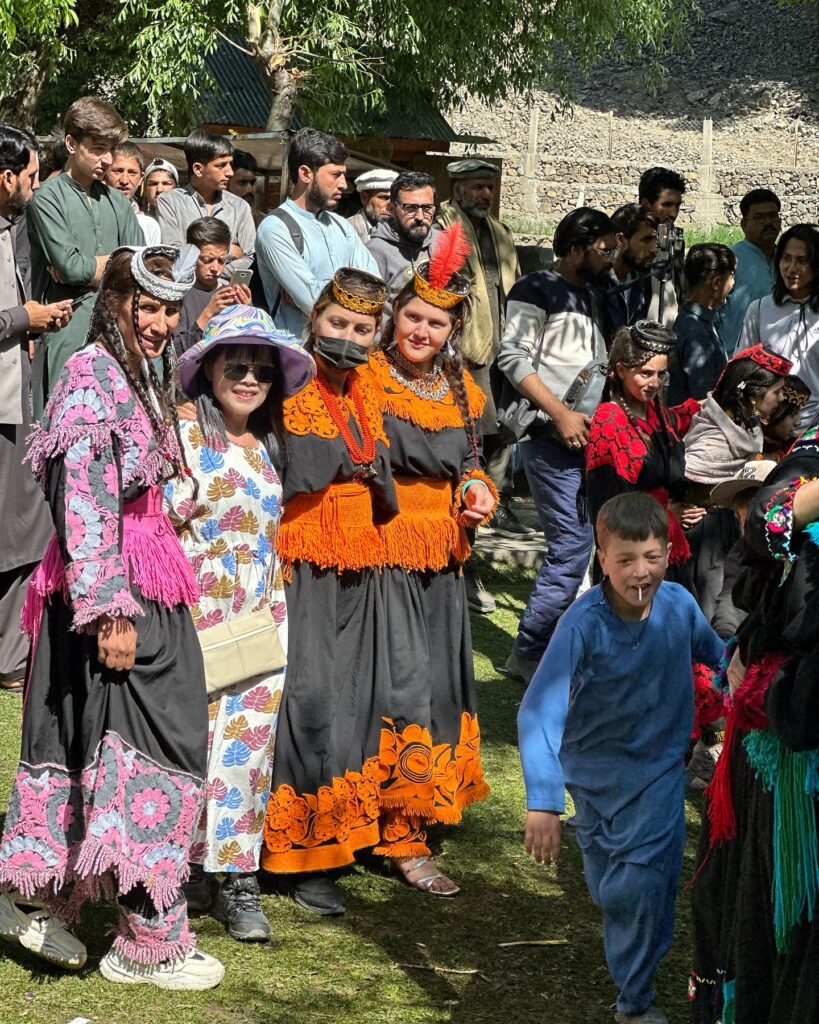

The culture of Pakistan attracts tourists because it is diverse, authentic, and deeply connected to daily life. Each province has its own language, food, dress, music, and traditions. Punjab is famous for lively festivals, rich food, and historic cities. Sindh is known for its ancient heritage, Sufi shrines, ajrak, and traditional crafts. Khyber Pakhtunkhwa offers Pashtun hospitality, mountain culture, and historic Buddhist sites. Balochistan is admired for tribal traditions, embroidery, and desert landscapes. Gilgit-Baltistan is loved for its mountain communities, local festivals, and scenic villages.
This cultural variety makes Pakistan an ideal destination for tourists who enjoy heritage travel, food tourism, photography, history, and local experiences.
Pakistani Hospitality: The Heart of Local Culture
Hospitality is one of the strongest parts of Pakistani culture. Tourists often notice how welcoming and helpful locals are, especially when they visit smaller towns, villages, and northern areas. Guests are respected, and offering tea, food, or guidance is considered a sign of kindness.
In Pakistan, chai is more than just tea. It is a symbol of conversation, friendship, and welcome. Tourists may be invited to share a cup of tea with shopkeepers, hotel owners, guides, or local families. This friendly attitude helps travellers feel connected to the people and culture of Pakistan.
For many tourists, Pakistani hospitality becomes the most memorable part of their trip.
Traditional Food Culture in Pakistan
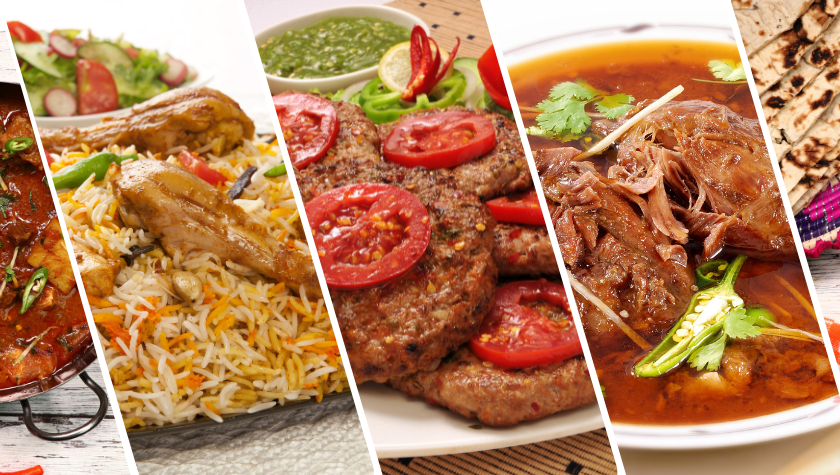

Food is a major highlight of Pakistani culture for tourists. Pakistani cuisine is full of flavour, spices, aroma, and regional variety. Each city has its own food identity, making the country a paradise for food lovers.
In Lahore, tourists can enjoy famous dishes like nihari, paya, biryani, haleem, and chicken karahi. Karachi is popular for spicy street food, seafood, bun kebabs, and biryani. Visitors to Peshawar enjoy famous dishes like chapli kebab, lamb karahi, and authentic Pashtun cuisine that reflect the rich food culture of Pakistan. In Balochistan, sajji is a must-try dish, while northern Pakistan offers simple and organic food such as chapshuro, apricot-based dishes, and local bread.
Families across Pakistan celebrate their culture through traditional food at weddings, festivals, family gatherings, and vibrant street markets. For tourists, trying local food is one of the best ways to experience the true culture of Pakistan.
Clothing and Traditional Dress in Pakistan
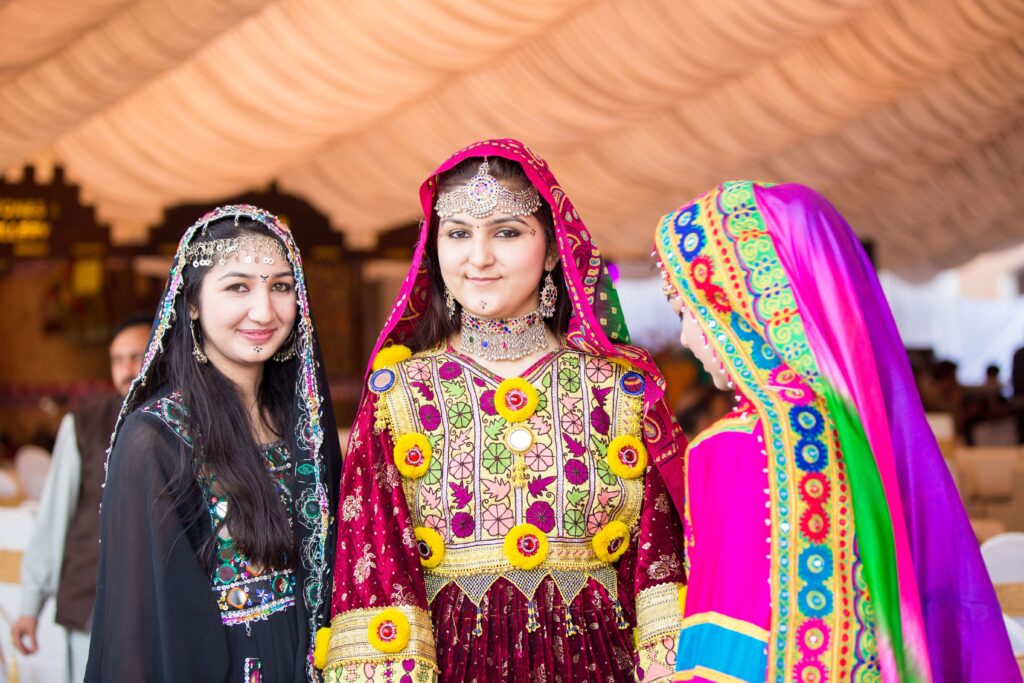
Traditional clothing is another important part of Pakistani culture. People across Pakistan wear the traditional shalwar kameez in a variety of regional and modern styles, making it the country’s national dress for both men and women. It is comfortable, modest, and suitable for the local climate.
Each region also has unique traditional clothing. Sindh is famous for ajrak and Sindhi topi. Punjab is known for colourful dupattas, khussas, and embroidered clothes. Balochistan has beautiful mirror work and heavy embroidery. Pashtun men often wear waistcoats and Peshawari chappals, while people in northern Pakistan wear warm woolen clothing due to the mountain climate.
Tourists should wear modest clothing, especially when visiting religious sites, rural areas, and traditional communities in Pakistan.
Languages Spoken in Pakistan
Pakistan is a multilingual country, which adds to its cultural beauty. People across Pakistan speak and understand Urdu as the national language, while hotels, airports, restaurants, tourist attractions, and major cities commonly use English for communication.
Regional languages include Punjabi, Sindhi, Pashto, Balochi, Saraiki, Hindko, Balti, Shina, and Burushaski. Learning a few simple Urdu phrases can make travel easier and help tourists connect with locals.
Useful phrases include “Assalam-u-Alaikum” for greeting, “Shukriya” for thank you, and “Kitna hai?” for asking the price. Locals usually appreciate it when tourists try to speak even a few words in Urdu.
Festivals and Celebrations in Pakistan
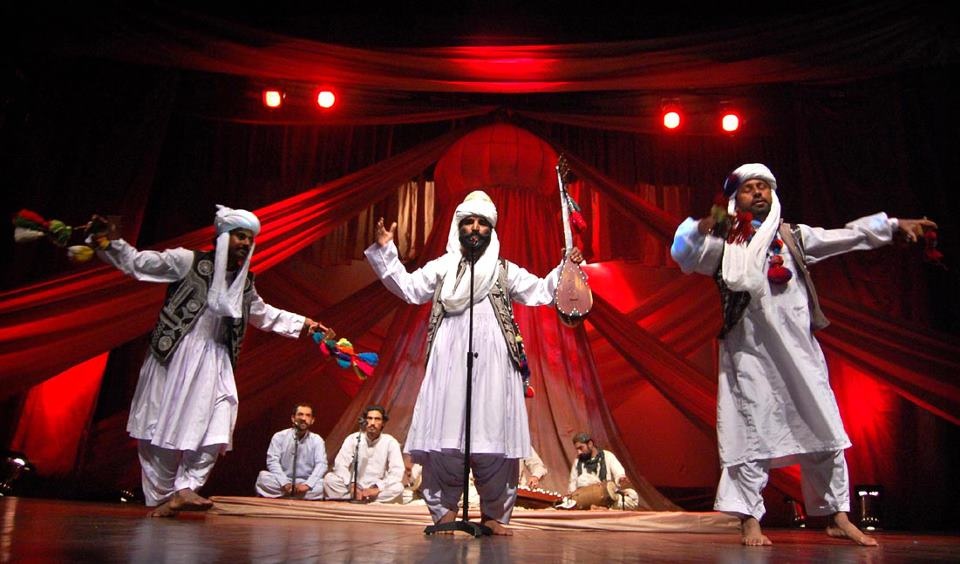

Festivals are a colourful part of Pakistani culture. Religious, seasonal, regional, and cultural celebrations take place throughout the year.
Pakistanis celebrate Eid-ul-Fitr and Eid-ul-Adha with family gatherings, special food, prayers, and charity. On 14 August, they celebrate Independence Day with flags, lights, music, and public events.
Tourists interested in regional culture can experience events such as the Shandur Polo Festival, Kalash festivals, Sibi Mela, Lok Mela, and cultural festivals in Punjab, Sindh, and Gilgit-Baltistan. The Shandur Polo Festival is especially famous because it combines traditional sport, music, camping, and mountain scenery.
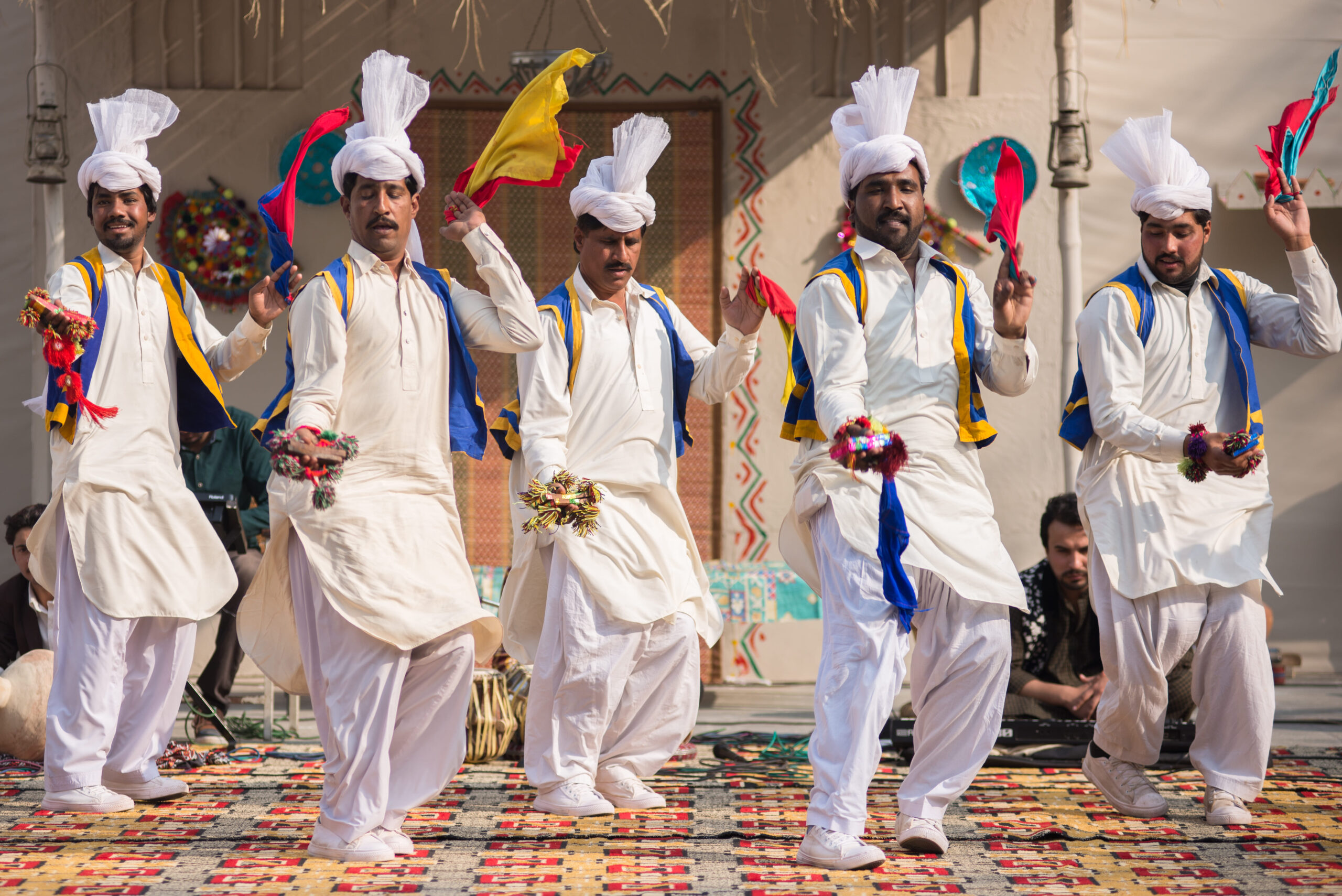
Pakistani weddings are also cultural events worth experiencing. Pakistani weddings feature colourful dresses, traditional music, energetic dances, delicious food, and grand multi-day celebrations that attract tourists from around the world.
Music, Dance and Arts in Pakistan
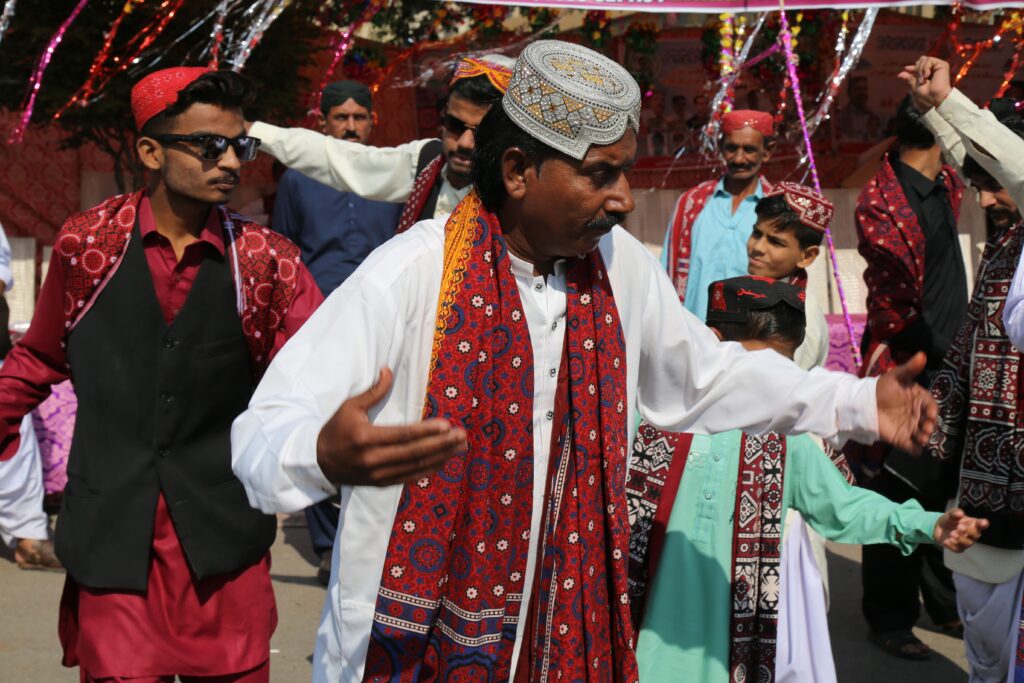

Music and art play a major role in Pakistani culture. Qawwali, Sufi music, folk songs, ghazals, and classical music are deeply loved across the country. Tourists can experience live music at cultural centres, festivals, shrines, and local events.
Truck art is one of Pakistan’s most unique artistic traditions. Brightly painted trucks, buses, and rickshaws can be seen on roads across the country. Artists decorate these vehicles with colourful poetry, flowers, birds, landscapes, and bold designs, turning Pakistan’s trucks and buses into moving works of art.
Handicrafts are also popular among tourists. Artisans across Pakistan create beautiful pottery, carpets, embroidery, wooden crafts, blue pottery, shawls, jewellery, and handwoven fabrics that reflect the country’s rich cultural heritage. Shopping in local bazaars is a great way to support artisans and take home a piece of Pakistani culture.
Historical and Cultural Places Tourists Should Visit
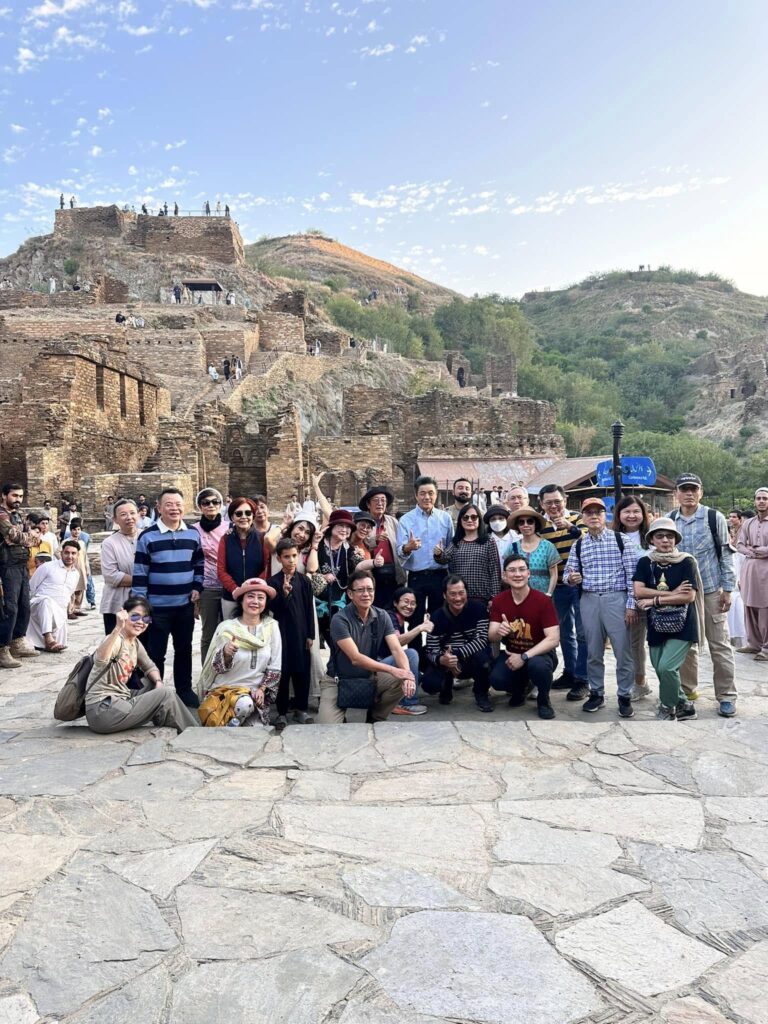

Pakistan has many historical and cultural landmarks that show the depth of its heritage. Lahore Fort and Shalimar Gardens reflect Mughal architecture and royal history. Badshahi Mosque is one of the most iconic religious and architectural sites in Lahore.
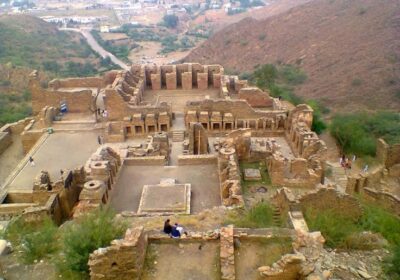
Mohenjo-Daro in Sindh is one of the oldest urban settlements in the world and an important site of the Indus Valley Civilization. Taxila is known for its Buddhist heritage and ancient ruins. Makli Necropolis in Thatta is one of the largest historical graveyards in the world. Rohtas Fort is a powerful example of military architecture.
Tourists can also explore Multan’s Sufi shrines, Peshawar’s old bazaars, Hunza’s Baltit and Altit forts, and Karachi’s cultural museums. These places make Pakistan an excellent destination for history and heritage tourism.
Religious and Spiritual Culture in Pakistan
Religion has a strong influence on daily life in Pakistan. Islam is the main religion, and mosques are important community spaces. Tourists are welcome to visit many mosques, but they should dress modestly, remove shoes before entering, and avoid visiting during prayer times unless guided.
Pakistan is also home to important Sikh, Buddhist, Hindu, and Sufi heritage sites. Sikh tourists visit places such as Gurdwara Janam Asthan and Kartarpur. Buddhist travellers explore Taxila, Takht-i-Bahi, and ancient Gandhara heritage sites. Sufi shrines in Lahore, Multan, Sehwan, and other cities attract visitors interested in music, spirituality, and local devotion.
This religious diversity adds depth to the cultural experience for tourists.
Cultural Etiquette for Tourists in Pakistan
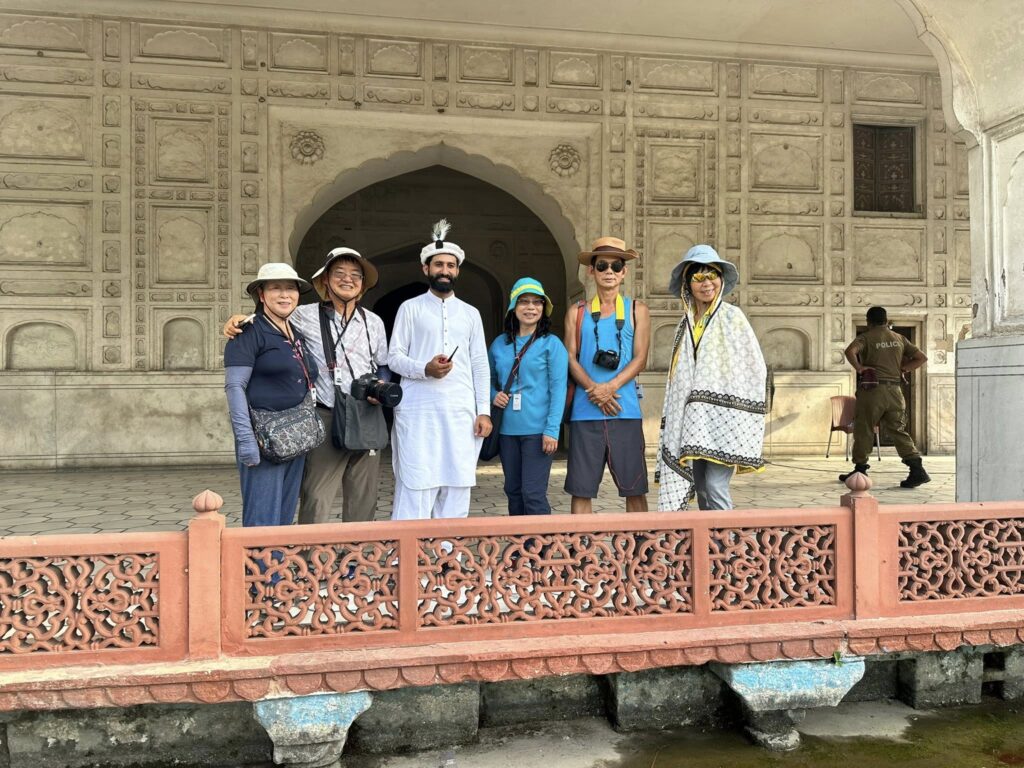

Understanding basic etiquette helps tourists enjoy a respectful and smooth travel experience in Pakistan. Greetings are important, and “Assalam-u-Alaikum” is the most common way to say hello. Handshakes are common between men, but tourists should wait for women to offer a handshake first.
Tourists should wear modest clothing, especially outside major cities. Ask permission before taking photos of locals, women, children, or religious events. Remove your shoes when entering homes if the host does. You can accept tea or food politely, or respectfully decline.
Public behaviour should be respectful, especially in religious and family spaces. These small cultural manners help travellers build positive connections with locals.
Best Cities to Experience Pakistani Culture
Lahore proudly represents Pakistan’s cultural heart with its rich history, vibrant food scene, stunning architecture, and thriving arts and culture.
Karachi offers a modern, coastal, and multicultural experience with food streets, museums, beaches, and markets. Islamabad is calm, green, and ideal for first-time visitors who want museums, nature, and organized city life.
Peshawar is excellent for experiencing Pashtun culture, old bazaars, and traditional food. Multan is famous for Sufi shrines, blue pottery, and ancient history. Quetta gives tourists a glimpse of Balochi culture, dry fruits, and mountain landscapes. Hunza, Skardu, and Chitral are perfect for mountain culture, local festivals, and community-based tourism.
Each city offers a different side of Pakistani culture, making the country rich and rewarding for tourists.
Conclusion

The culture of Pakistan for tourists is a powerful blend of history, hospitality, food, festivals, art, religion, and regional traditions. From ancient cities like Mohenjo-Daro and Taxila to lively cultural centres like Lahore and Peshawar, Pakistan offers travellers a deep and authentic cultural journey.
For tourists who want to experience real local life, Pakistan is more than a destination. It is a place of warm people, colourful traditions, delicious cuisine, and unforgettable stories. Whether you are exploring heritage sites, enjoying street food, attending a festival, or sharing chai with locals, Pakistani culture will leave a lasting impression.
FAQs
- What is Pakistan famous for culturally?
Pakistan is famous for hospitality, traditional food, Mughal architecture, Sufi music, colourful festivals, regional clothing, handicrafts, and ancient heritage sites.
- Is Pakistan welcoming to tourists?
Yes, Pakistan is widely known for its warm hospitality. Tourists often experience friendly conversations, helpful locals, and invitations for tea or meals.
- What should tourists wear in Pakistan?
Tourists should wear modest and comfortable clothing. Loose pants, long shirts, scarves, and covered shoulders are recommended, especially in religious or rural areas.
- What food should tourists try in Pakistan?
Tourists should try biryani, nihari, karahi, chapli kebab, sajji, haleem, lassi, chai, and regional dishes from northern Pakistan.
- Which city is best for experiencing Pakistani culture?
Lahore is one of the best cities for experiencing Pakistani culture because of its history, food, architecture, bazaars, and traditional lifestyle.