

Pakistan is a country rich in history, culture, and ancient civilizations that date back thousands of years. From the remarkable urban planning of the Indus Valley Civilization to the artistic brilliance of Mughal architecture, Pakistan offers a deep and fascinating historical journey. The UNESCO World Heritage Sites in Pakistan represent the most valuable cultural treasures preserved for future generations. In this 2026 travel guide, we will explore these iconic landmarks, helping travelers and history lovers discover the stories, beauty, and significance behind each destination.
Some Famous UNESCO World Heritage Sites in Pakistan
Mohenjo-Daro (Sindh)
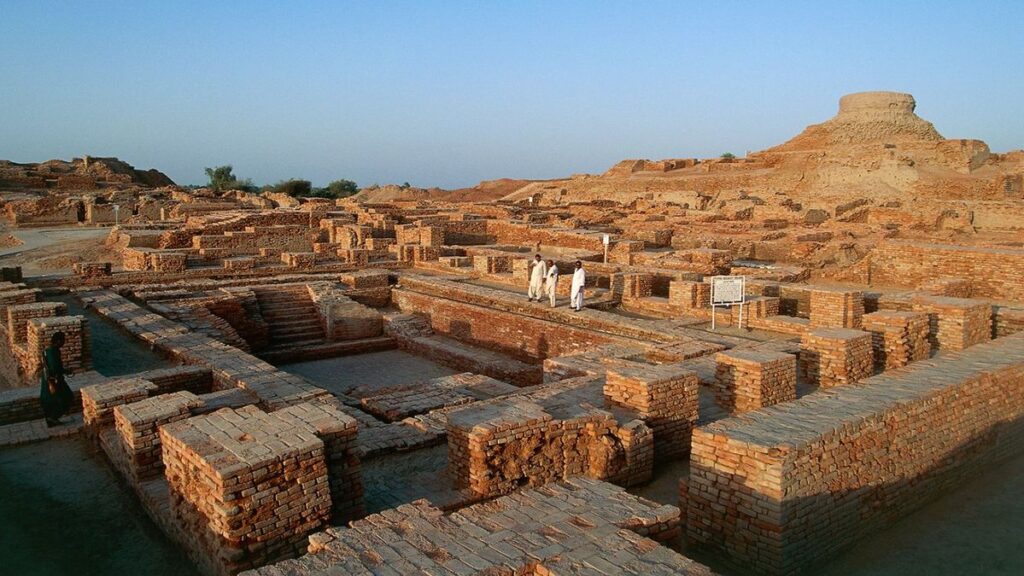
Mohenjo-Daro stands as one of the world’s oldest and most advanced urban settlements, dating back to around 2500 BCE. This ancient city of the Indus Valley Civilization showcases an impressive level of planning, with organized streets, sophisticated drainage systems, and well-constructed buildings. Walking through its ruins gives visitors a glimpse into a highly developed society that existed thousands of years ago. The site is especially fascinating for those interested in archaeology and ancient history, as it reveals how early civilizations managed urban life with remarkable efficiency.
Taxila (Punjab)
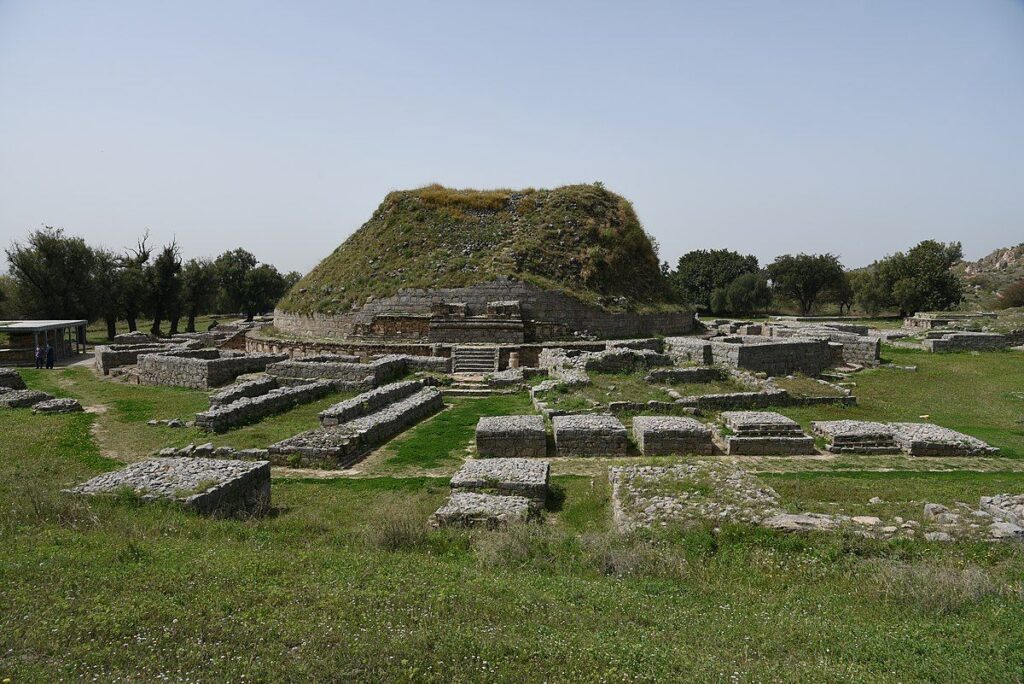
Taxila is a treasure trove of ancient history and a major center of learning in the Gandhara civilization. It served as a hub for education, culture, and religion, particularly for Buddhism. The ruins of monasteries, stupas, and ancient institutions spread across the area reflect its significance as one of the earliest universities in the world. Visitors can explore these archaeological remains and gain insight into how knowledge, philosophy, and spirituality flourished in this region centuries ago.
Lahore Fort & Shalimar Gardens (Punjab)
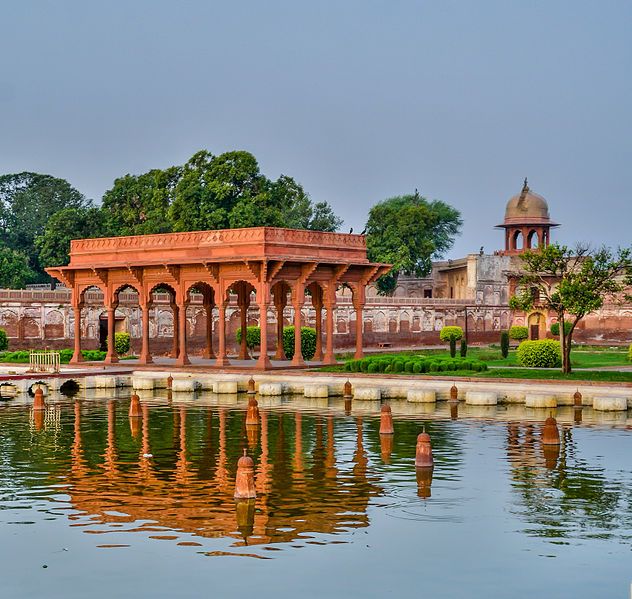
The Lahore Fort and Shalimar Gardens are stunning examples of Mughal architecture and landscape design, reflecting the grandeur of the Mughal Empire. The fort, with its intricate marble structures and artistic details, tells the story of royal life, while the gardens represent the Mughal vision of paradise on earth with flowing water, terraces, and symmetrical beauty. Visiting this site allows travelers to experience the elegance and creativity that defined one of the most powerful empires in South Asia.
Makli Necropolis (Thatta)
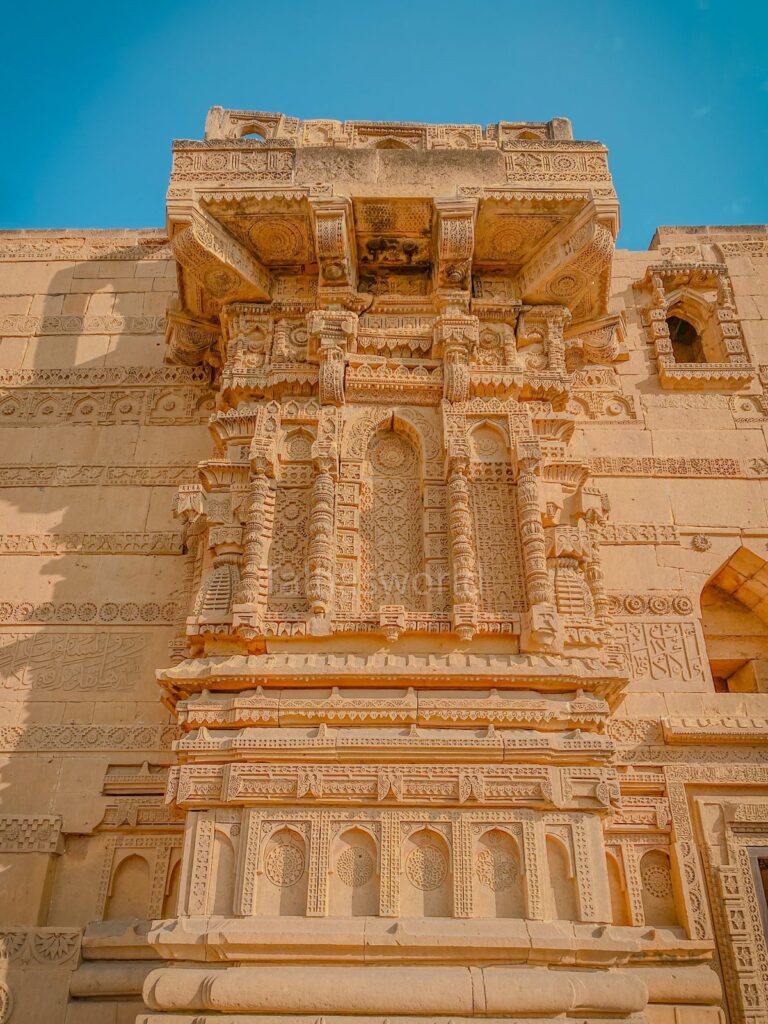
Makli Necropolis is one of the largest funerary sites in the world, stretching over a vast area and containing thousands of tombs and monuments. This site represents centuries of Islamic architecture and cultural traditions, with beautifully carved stone structures that reflect the artistic styles of different eras. It offers a unique perspective on the region’s history, showing how rulers, scholars, and saints were honored through elaborate burial sites.
Rohtas Fort (Punjab)
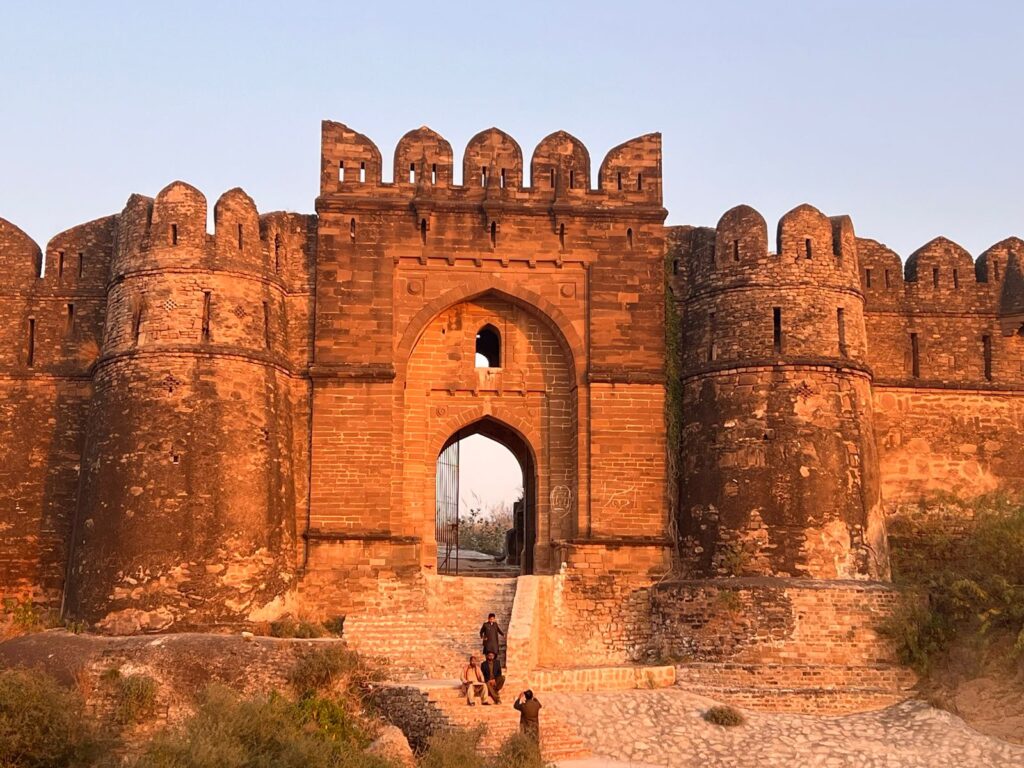
Rohtas Fort is a powerful symbol of military strength and strategic design, built by Sher Shah Suri in the 16th century. Unlike decorative Mughal forts, Rohtas was designed purely for defense, featuring massive walls, strong gates, and a layout that reflects military precision. The fort’s architecture demonstrates how rulers protected their territories and maintained control, making it a fascinating destination for history enthusiasts interested in warfare and strategy.
Takht-i-Bahi & Sahr-i-Bahlol (KPK)
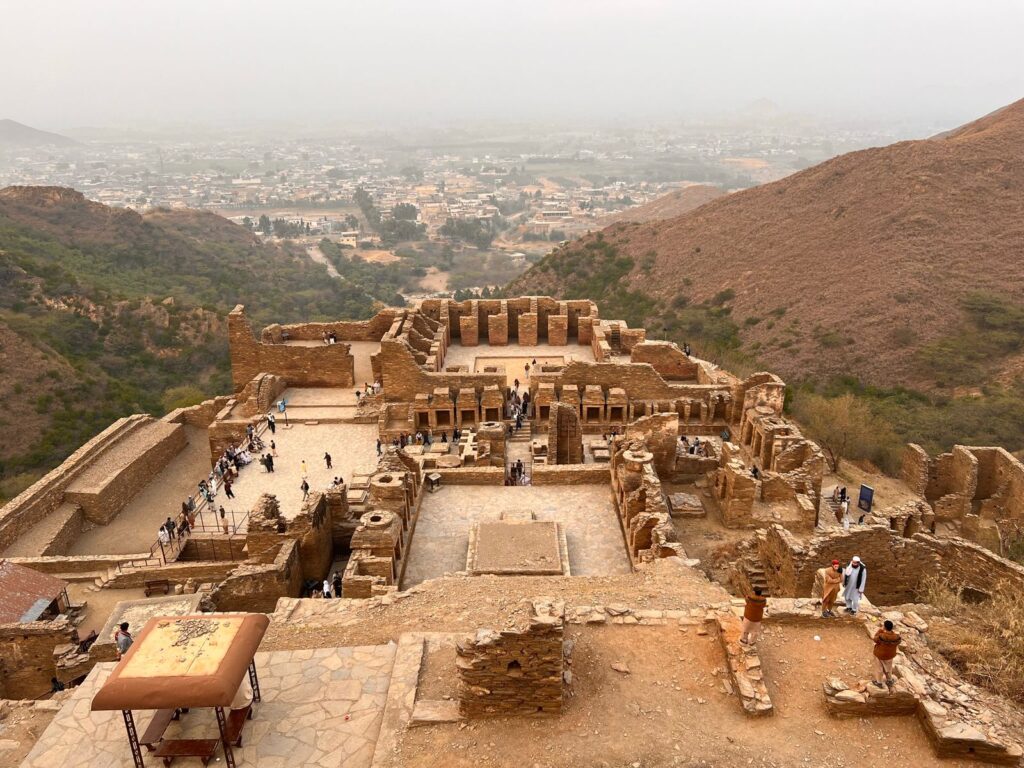
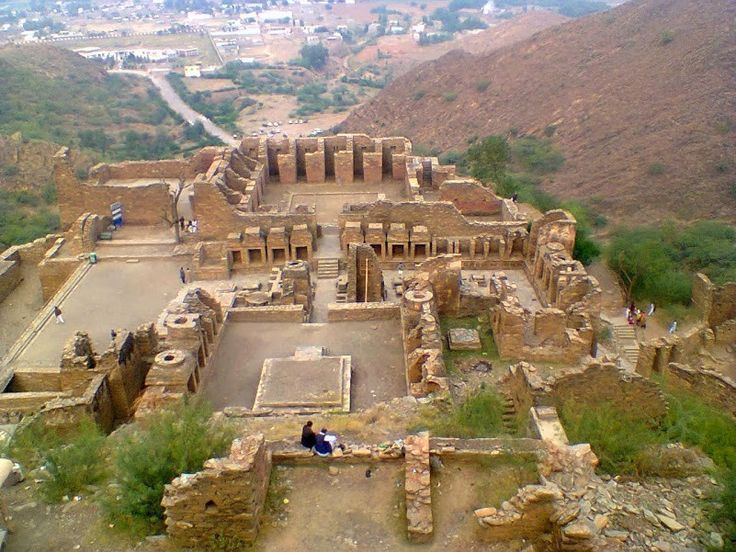
Takht-i-Bahi and Sahr-i-Bahlol are ancient Buddhist monastic complexes that provide a peaceful and spiritual atmosphere. Perched on a hilltop, Takht-i-Bahi is remarkably well-preserved and offers insight into monastic life during ancient times. The site reflects the spread of Buddhism in the region and serves as an important cultural and religious landmark, attracting visitors who are interested in spirituality and history.
Best Time to Visit UNESCO Sites in Pakistan
The best time to visit these heritage sites depends on their location, but generally, the cooler months from October to March are ideal for exploring areas in Punjab and Sindh. For sites located in Khyber Pakhtunkhwa, spring and early autumn provide pleasant weather conditions. Avoiding extreme summer heat ensures a more comfortable and enjoyable travel experience.
Conclusion
The UNESCO World Heritage Sites of Pakistan offer more than just historical landmarks—they provide a journey through time, culture, and human achievement. From the ancient streets of Mohenjo-Daro to the majestic Mughal architecture of Lahore, each site tells a unique story. For travelers in 2026, exploring these destinations is not only an adventure but also an opportunity to connect with the rich heritage of Pakistan.